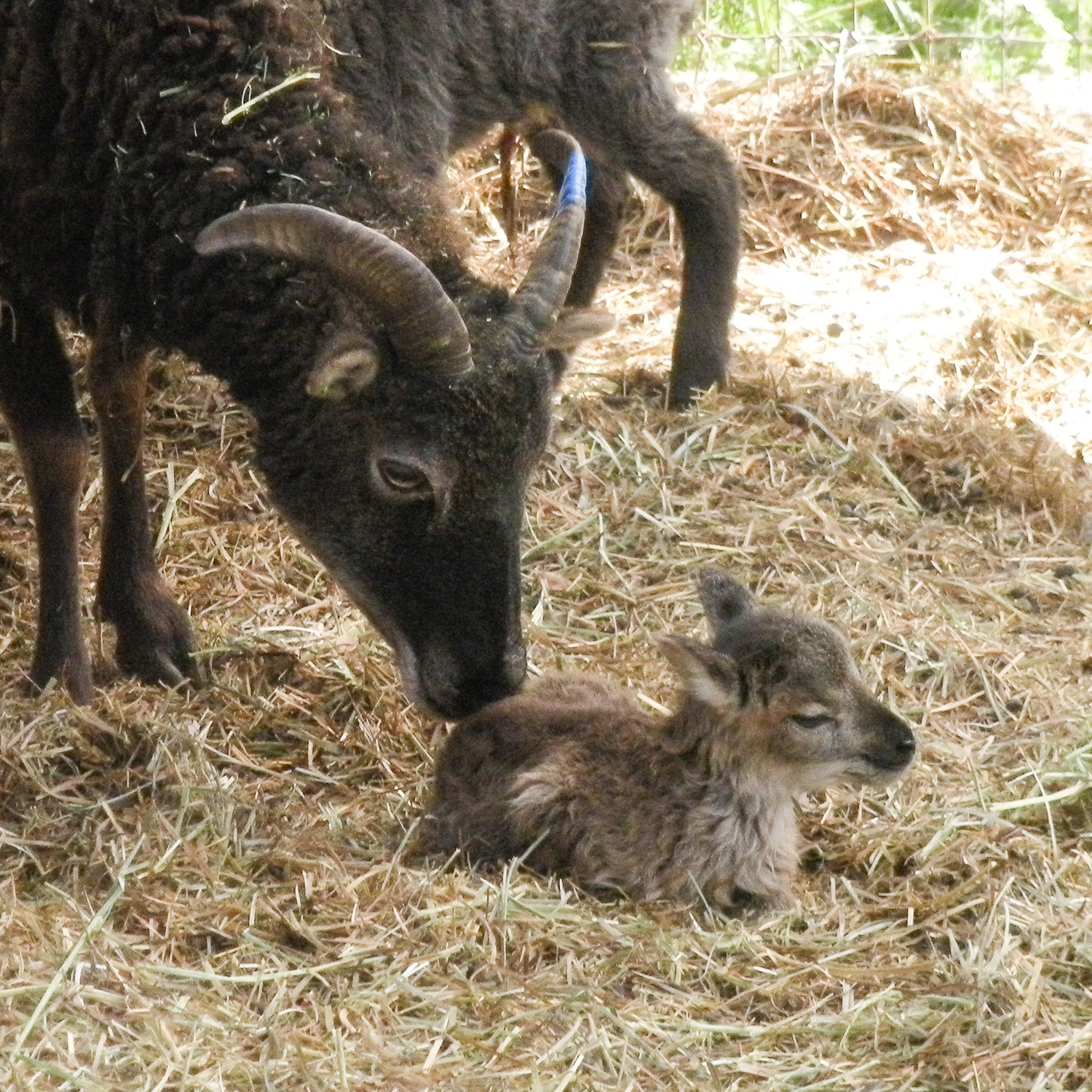
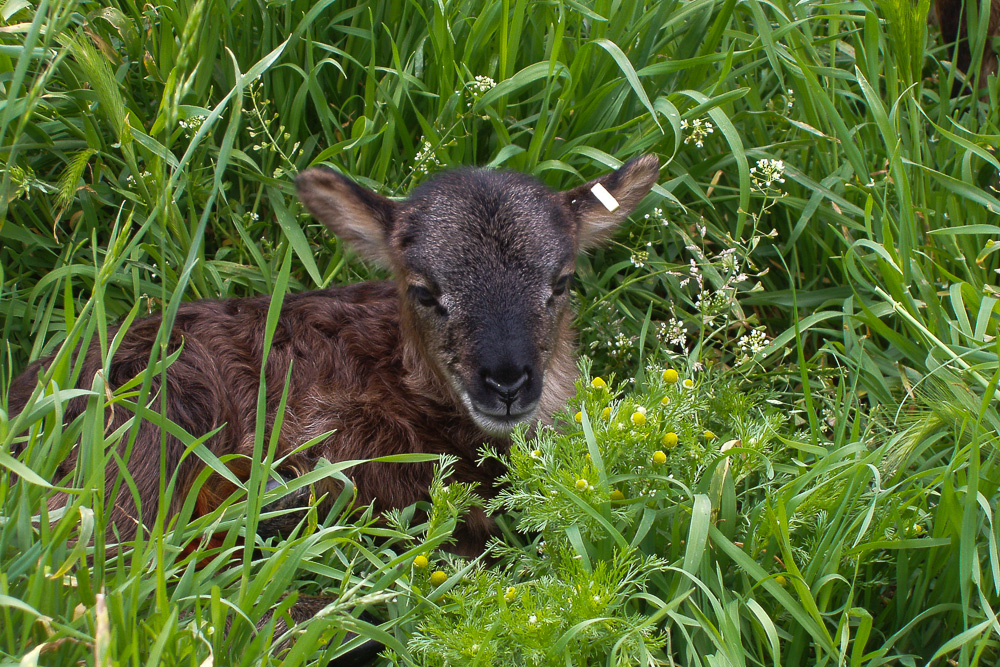
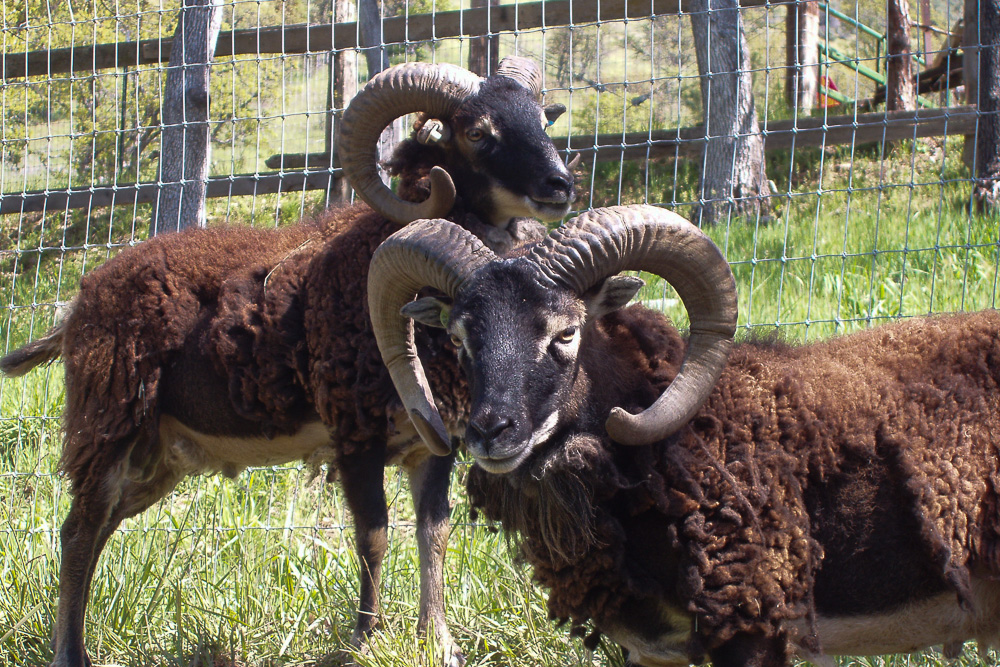
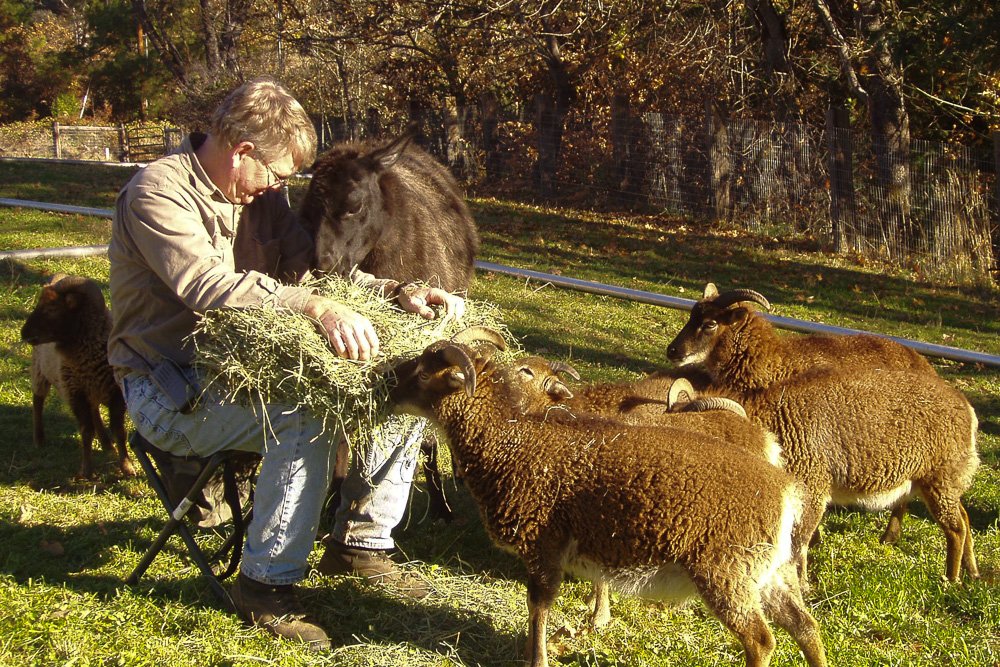
Winter after winter, we slogged through the snow and mud, bringing alfalfa to our peaceful ladies as they slowly swelled with April lambs. But no longer. After seventeen lambing seasons, we decided it is time to quit breeding and decommission the lamb-o-meter. Our last lamb, sweet little Saltmarsh Heidi, was born on May 1, 2021. Her eartag, SMR 813, says it all: enough is enough!
At its peak, our flock numbered more than 250 adults and lambs. Managing ˝only˝ 21 adults at this point is, by comparison, a piece of cake. There are still more than enough Soay ewes and rams to enjoy our emergent pastures and the lengthening days.
With production shut down, we probably cannot supply you with either breeding ewes or flocksires, but we will help you locate other sources of RBST-registered Soay on the west coast if we can.
The farm website and Priscilla’s blog (The Soay Sheep Chronicles) will stay up in any case. Rather than trying to change the text to reflect our downsizing, we left intact the information describing how we have shepherded our flock. Our experiences and advice still stand, even if the verb tenses are out of date.
Happy lambing!
Soay Sheep, Songs and Sheet Music from St. Kilda
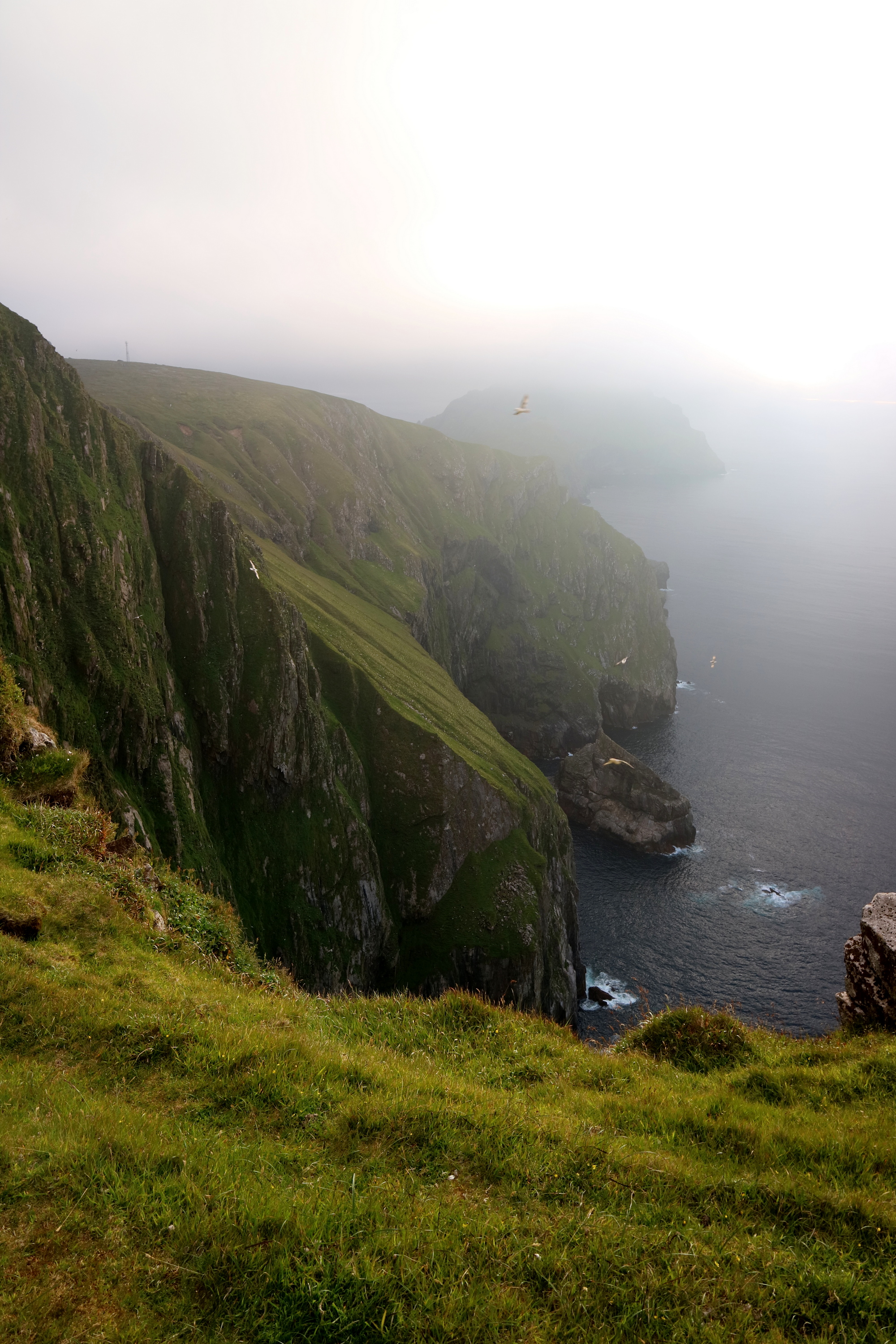
Those of us who raise Soay sheep pretty much have our hands full tending to their basic needs – food, water, shelter, protection – but especially during the short winter days we find time to contemplate what life was like for the St. Kilda’s human inhabitants. For example, what music was sung or played on Hirta?
We know from the voluminous written record of life on St. Kilda that there was precious little music for long periods of time, forbidden by the strict preachers sent from the mainland to tend to their parishioners’ souls. But there is almost no mention of singing, and not a word about a piano or other keyboard being taken to the islands.
Now, thanks to a 10-year tale of serendipity and just plain luck, there is an intriguing hint about music on St. Kilda in the form of a single CD issued in 2016. Entitled “The Lost Songs of St. Kilda,” the CD includes eight melodies with piano accompaniment said to have come directly from the islands, remembered by a young man who was part of the 1930 evacuation and later transmitted by him to one of his piano students on the Scottish mainland in the 1950s.
You can read this intriguing tale and get details on how to listen to the songs and play them yourself by going to Priscilla’s blog post. There you will begin to learn the story and also find links to more detailed accounts of how the songs went from the memory of a resident of an old people’s home in Edinburgh to a best-selling CD to the written page.
To what extent the songs actually originated on St Kilda is an open question that joins the many layers of mystery surrounding life on St. Kilda. What is certain is the beauty of the melodies and how powerfully they evoke the remote islands that are the ancestral home of all Soay sheep.
Historic Ranch, Historic Sheep
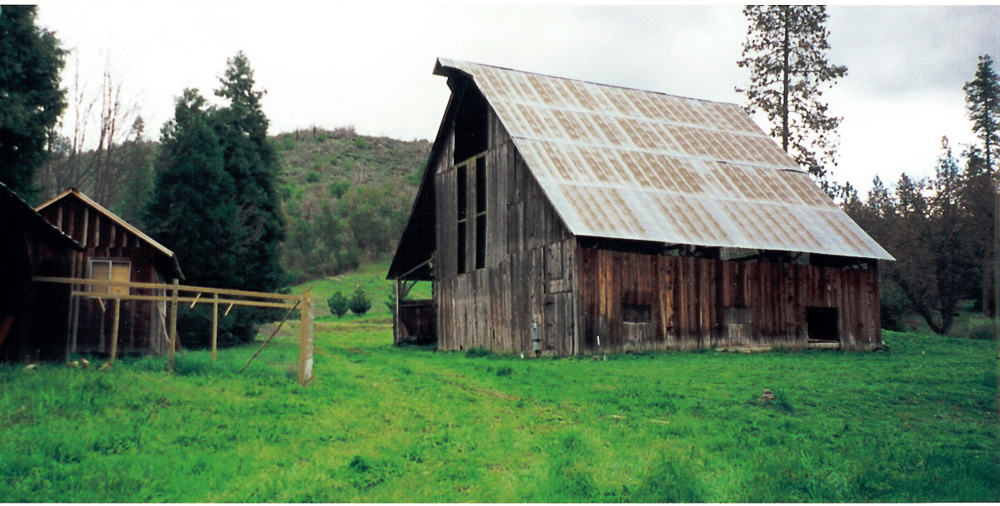
The old Saltmarsh Ranch is nestled at two thousand feet among the northern foothills
of the Siskiyou Mountains in southwestern Oregon, astride the Little Applegate River.
Arthur B. Saltmarsh, the original homesteader who settled in the 1880’s, built the
barn and several other outbuildings still in use. He and his heirs lived here for
almost a century.
Soay sheep have a much longer history. They are descendants of a feral population of
primitive sheep living for at least hundreds, perhaps thousands, of years in complete
isolation on the island of Soay in the St. Kilda archipelago located off the
northwestern coast of Scotland in the North Atlantic Ocean, some 4581 miles from here.
Today’s Soay sheep at Saltmarsh Ranch provide us with many satisfactions, foremost
among them the rare opportunity to help preserve an endangered variety of attractive small
sheep.
2022 lamb-o-meter
0
0
Total
0
0
Ram
0
0
Ewe
Keeping Sheep as a Lifestyle
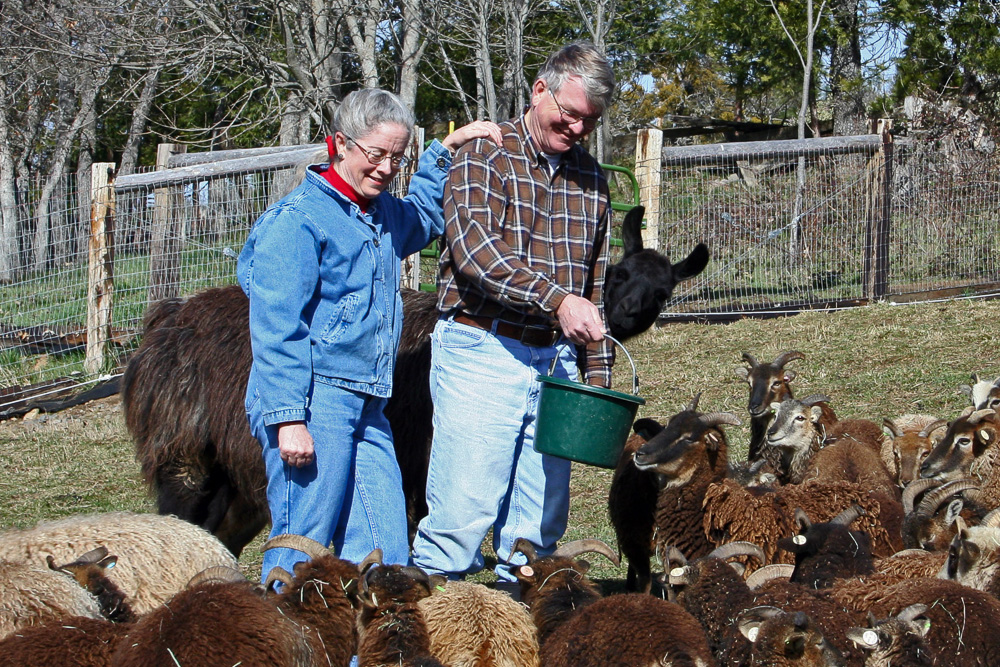
Our city friends ask us all the time, “Why on earth do you live way out in the
country and burden yourselves with a big flock of Soay sheep?” The answers could
fill a book, but we think the following thoughts put to paper thirty years ago by a
renowned Canadian food writer, editor, chef, and shepherd capture the essence of the
matter
better than we can express it anew.
In the words of Mme
Benoit …►
Choosing your Soay Sheep
Thinking
about getting a flock of Soay, but feeling a bit bewildered? Here is a guide to the common types of Soay sheep flocks
we and other breeders have put together to meet our varying goals.read more ►
Small Sheep for Small Acreage
Many of us who have chosen to live in a rural setting with a few acres of green pastures,
some trees, clean air, perhaps an outbuilding or two, tranquility and so on made our
choice in part because we wanted to be able to keep animals of one sort or another, or
will come around to the notion sooner or later. Odds are you already
have thought about Soay sheep, or you would not be here reading these words. You are on
Read more … ►
the right track. These small, gentle, easily kept heritage sheep can enrich your life
and improve your land.